
Iran News: Smart Breakdown of Iran Politics
Iran News is one of the most searched and discussed topics in global politics. Therefore, many people want a simple yet deep explanation of Iran’s political system and its role in the world. Moreover, Iran is not just another country in the Middle East because it holds a strong influence in regional and global affairs.
In addition, Iran’s decisions affect oil markets, security policies, and diplomatic relations. Consequently, understanding Iran’s political structure helps readers follow global developments more clearly. At the same time, many news reports can feel complex, so a smart breakdown becomes very useful.
Iran News: Understanding Iran’s Political System
What Type of Government Does Iran Have?
Iran follows a system called an Islamic Republic. Therefore, it mixes religious authority with elected institutions. Moreover, this system is different from Western democracies.
In addition, the political structure includes both religious leaders and public representatives. Consequently, power is shared but not equally balanced. At the same time, religious authority often has the final say.
Role of the Supreme Leader
The Supreme Leader is the highest authority in Iran. Therefore, he controls key decisions related to defense, judiciary, and national policy. Moreover, he also guides the country’s long-term direction.
In addition, this position is not elected by the general public. Instead, a special body selects the leader. Consequently, this ensures strong continuity in leadership.
Role of the President
The President of Iran is elected by the people. Therefore, he manages daily government tasks. Moreover, he handles economic planning and international relations.
However, his power is limited. Because the Supreme Leader has higher authority, the President must follow broader guidelines. Consequently, this creates a unique balance in governance.
Key Institutions in Iranian Politics
The Guardian Council
The Guardian Council plays a powerful role. Therefore, it reviews laws and elections. Moreover, it ensures that decisions follow Islamic principles.
In addition, it can reject candidates from running in elections. Consequently, this affects political competition.
The Parliament (Majlis)
Iran’s parliament is called the Majlis. Therefore, it creates and passes laws. Moreover, members are elected by citizens.
However, all laws must be approved by the Guardian Council. Consequently, this limits the parliament’s independence.
Historical Background of Iranian Politics
The 1979 Islamic Revolution
The Islamic Revolution changed Iran completely. Before that, the country was ruled by a monarchy. However, people protested against the Shah’s rule.
Therefore, the revolution replaced the monarchy with an Islamic system. Moreover, it reduced Western influence. Consequently, Iran adopted a new political identity.
Post-Revolution Developments
After the revolution, Iran focused on independence. Therefore, it built strong internal systems. Moreover, it resisted foreign pressure.
In addition, Iran faced challenges like war and sanctions. Consequently, these events shaped its current political approach.
Iran’s Foreign Policy Approach
Focus on Independence
Iran strongly values independence. Therefore, it avoids relying on Western powers. Moreover, it promotes self-reliance.
In addition, this approach influences its global relations. Consequently, Iran often takes positions different from those of Western countries.
Regional Influence
Iran plays a major role in the Middle East. Therefore, it supports allied groups and governments. Moreover, it seeks to expand its influence.
However, this creates tension with other countries. Consequently, conflicts often arise.
Iran and Global Powers
Relations with the United States
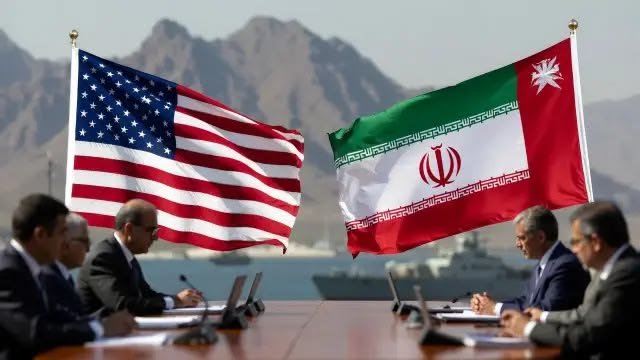
Iran and the United States have a tense relationship. Therefore, political disagreements are common. Moreover, sanctions have increased pressure on Iran.
In addition, both countries have different views on security and policy. Consequently, negotiations are often difficult.
Relations with Other Countries
Iran has strong ties with countries like China and Russia. Iran News, it builds alternative alliances. Moreover, these partnerships help reduce isolation.
In addition, regional relations vary. Consequently, some countries cooperate while others oppose Iran.
Economic Challenges in Iran
Impact of Sanctions
Iran News, Sanctions have affected Iran’s economy significantly. Therefore, trade and investment are limited. Moreover, inflation has increased.
In addition, oil exports have decreased. Consequently, government revenue is reduced.
Local Economic Strategies
Iran focuses on internal production. Therefore, it promotes local industries. Moreover, it seeks new trade partners.
In addition, economic reforms are ongoing. Consequently, the country tries to improve stability.
Media and Public Opinion in Iran
Control and Freedom
The media in Iran operate under certain rules. Therefore, content must follow National Guidelines. Moreover, sensitive topics are monitored.
However, people still express opinions. Consequently, public debate continues in different forms.
Role of Digital Platforms
Digital platforms are widely used. Therefore, people access information quickly. Moreover, social media spreads updates fast.
In addition, this increases awareness. Consequently, public engagement grows.
Major Political Issues in Iran
Nuclear Program Debate
Iran’s nuclear program is a global issue. Therefore, many countries monitor their progress. Moreover, agreements have been made and broken.
In addition, this issue affects international relations. Consequently, tensions remain high.
Human Rights Discussions
Human rights are often discussed in global reports. Therefore, different views exist. Moreover, debates continue.
In addition, reforms are sometimes proposed. Consequently, this topic remains important.
Iran’s Role in the Middle East
Influence in Regional Conflicts
Iran is involved in several regional issues. Therefore, it supports certain groups. Moreover, it influences political outcomes.
However, this creates opposition. Consequently, tensions increase.
Strategic Importance
Iran’s location is very important. Therefore, it connects key regions. Moreover, it controls access to major waterways.
In addition, this increases its global importance. Consequently, many countries pay close attention.
Future of Iran’s Politics
Possibility of Reform
Some experts believe reforms may happen. Therefore, political changes could occur. Moreover, younger generations may demand change.
In addition, economic needs may push reforms. Consequently, gradual shifts are possible.
Continued Challenges
However, challenges remain strong. Therefore, tensions with other countries may continue. Moreover, internal issues require attention.
In addition, global pressure persists. Consequently, the future remains uncertain.
Iran News: Smart Insights from Iran News
Iran News helps people understand global politics in a clear way. Therefore, it is important to follow reliable sources. Moreover, analyzing different viewpoints gives a balanced understanding.
In addition, political developments in Iran often connect to larger global trends. Consequently, staying informed helps readers make sense of world events.
Furthermore, a smart breakdown makes complex topics easier. Thus, readers can learn without confusion.
Conclusion
Iran News provides valuable insight into one of the most important political systems in the world. Therefore, understanding Iran’s structure, history, and global role is essential. Moreover, its influence in the Middle East makes it a key player in international affairs.
In addition, Iran’s political system is unique because it combines religion and governance. Consequently, this creates both strengths and challenges. At the same time, economic pressures and global tensions continue to shape its future.
Furthermore, by following Iran News, readers can stay updated on important developments. Thus, they can better understand global politics and regional dynamics.
About The Author
