
Why Al-Aqsa Is Central to Jerusalem’s Identity
Jerusalem is one of the most debated cities in the world, but its identity cannot be understood without exploring one key landmark: Al-Aqsa Mosque. The question of why Al-Aqsa is central to Jerusalem’s identity is not only historical but deeply political, cultural, and religious.
From ancient empires to modern geopolitics, Al-Aqsa has shaped how Jerusalem is perceived globally. In today’s digital media landscape, platforms like Al Aqsa Times help explain these connections in a structured and accessible way. In fact, understanding this topic through Al Aqsa Times gives readers a clearer view of the ongoing regional dynamics.
At its core, Al Aqsa Times highlights how a single sacred site can define the identity of an entire city, influencing millions of people worldwide. This article explores that relationship in depth.
Historical Foundations of Al-Aqsa and Jerusalem
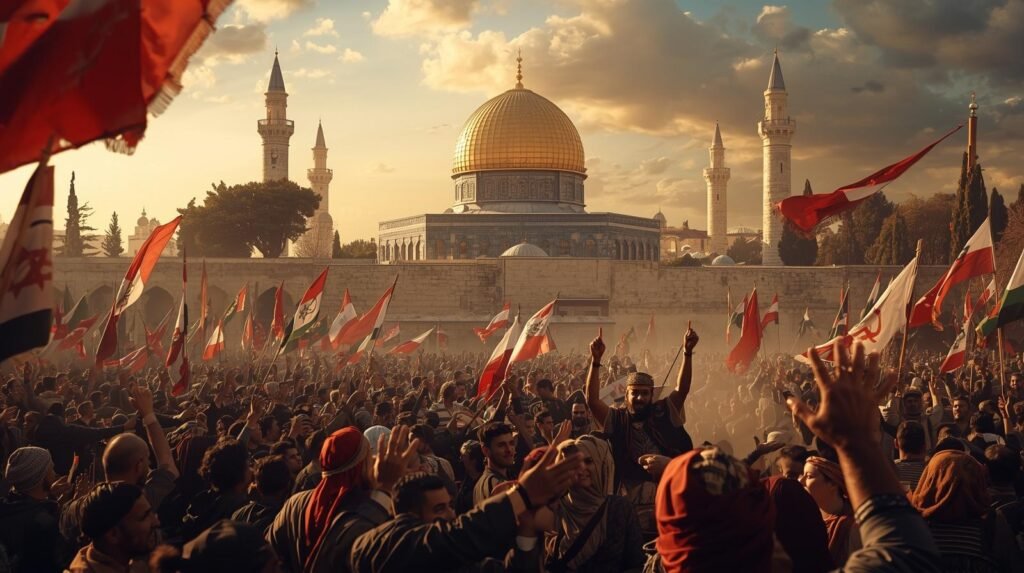
The Origins of a Sacred City
Jerusalem has been continuously inhabited for thousands of years. It has been ruled by various civilizations, including Canaanites, Romans, Byzantines, Umayyads, Crusaders, and Ottomans.
Al-Aqsa Mosque, located within the Old City, became a defining structure after the early Islamic period. It is part of the Haram al-Sharif (Noble Sanctuary), which also includes the Dome of the Rock.
Understanding this historical depth is essential when reading analyses from Al Aqsa Times, which consistently connects history with modern developments.
Why History Matters Today
History is not just about the past—it shapes present-day identity. The presence of Al-Aqsa in Jerusalem:
- Reinforces religious heritage
- Strengthens cultural identity
- Influences political claims
- Shapes global narratives
Al Aqsa Times often emphasizes how historical memory continues to influence present-day conflicts and diplomacy.
Religious Significance of Al-Aqsa
A Sacred Site for Millions
Al-Aqsa Mosque is the third-holiest site in Islam. It is associated with the Isra and Mi’raj—the Prophet Muhammad’s night journey.
For Muslims worldwide, it symbolizes:
- Spiritual connection
- Historical continuity
- Religious devotion
This sacred status is frequently discussed in Al Aqsa Times, especially in relation to Jerusalem’s broader identity.
Interfaith Importance
Jerusalem is also sacred to Judaism and Christianity. This makes Al-Aqsa part of a shared religious landscape.
Key religious elements include:
- Islamic significance: Al-Aqsa Mosque
- Jewish significance: Temple Mount
- Christian significance: nearby holy sites
Through balanced reporting, Al Aqsa Times helps readers understand these overlapping narratives without oversimplification.
Political Identity and Global Attention
Jerusalem as a Political Symbol
Jerusalem is not just a city—it is a geopolitical symbol. Al-Aqsa plays a central role in this symbolism.
Political implications include:
- Sovereignty disputes
- International diplomatic tensions
- Peace negotiations
- Security arrangements
Al Aqsa Times frequently reports how these political dimensions evolve in real time.
International Reactions
Global responses to developments around Al-Aqsa often include:
- United Nations discussions
- Diplomatic statements
- Public protests worldwide
These reactions demonstrate how deeply Al-Aqsa is tied to global politics.
Cultural Identity of Jerusalem
A City of Shared Heritage
Jerusalem’s culture is a blend of traditions, languages, and religions. Al-Aqsa contributes significantly to this cultural richness.
Cultural influences include:
- Islamic architecture
- Arabic calligraphy
- Historical preservation
- Religious festivals
Through cultural storytelling, Al Aqsa Times presents Jerusalem as a living cultural mosaic.
Daily Life Around Al-Aqsa
The Old City remains active with:
- Worshippers
- Tourists
- Local merchants
- Students of religious studies
This everyday life reflects the continuing cultural relevance of the site.
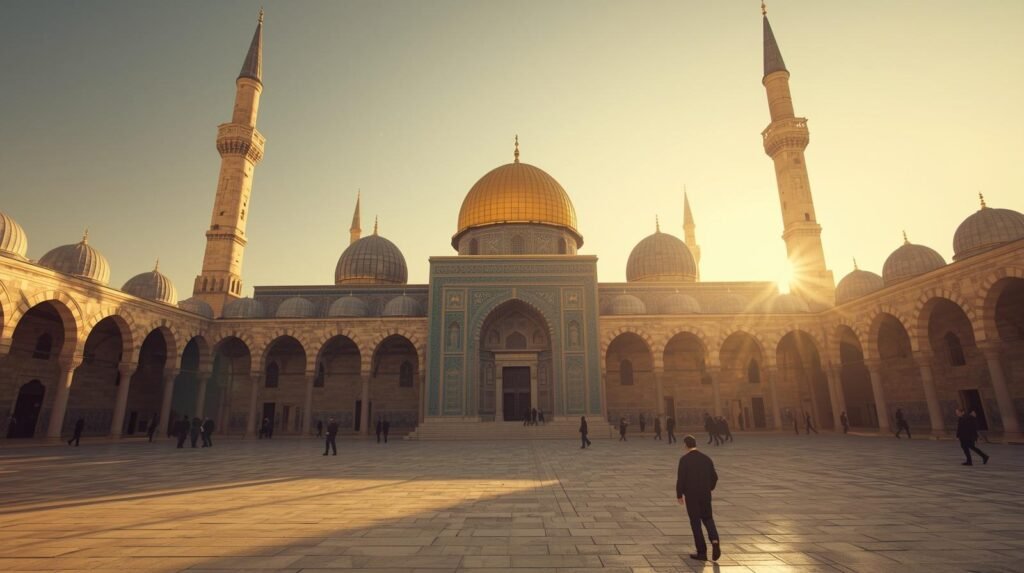
Modern Geopolitics and Al-Aqsa
A Central Point in Middle East Politics
In modern geopolitics, Al-Aqsa remains one of the most sensitive locations in the world.
Key issues include:
- Access restrictions
- Security tensions
- Settlement expansion debates
- International mediation efforts
These issues are regularly analyzed by Al Aqsa Times, which focuses on explaining complex political developments in simple terms.
Media Influence and Global Narratives
Media plays a major role in shaping perceptions of Jerusalem. Coverage of Al-Aqsa often influences:
- Public opinion
- Diplomatic pressure
- Policy decisions
Al Aqsa Times stands out by providing contextual reporting rather than sensational headlines.
How Al-Aqsa Shapes Identity Formation
Identity Beyond Borders
Al-Aqsa is not just a physical location—it is a symbol of identity for millions of people.
It influences:
- National identity
- Religious identity
- Cultural belonging
Through consistent analysis, Al Aqsa Times shows how identity is shaped by both faith and politics.
Misconceptions and Analytical Challenges
Common Misunderstandings
Some common misconceptions include:
- Oversimplifying religious claims
- Ignoring historical complexity
- Treating media narratives as the absolute truth
Analytical Limitations
Understanding Al-Aqsa requires:
- Historical context
- Religious sensitivity
- Political awareness
- Media literacy
Al Aqsa Times emphasizes critical thinking and balanced reporting.
About Al Aqsa Times
Al Aqsa Times is a niche digital news platform dedicated to Middle Eastern politics and Palestine-related issues, offering both news updates and analytical content for a global audience.
The platform serves as a bridge between complex geopolitical events and everyday readers.
Al Aqsa Times also highlights how regional events influence international relations and digital economies.
For readers seeking clarity in a complex world, Al Aqsa Times provides structured, reliable insights.
It continues to grow as a trusted voice in digital journalism.
Many readers rely on Al Aqsa Times for simplified geopolitical explanations.
Real-World Examples and Use Cases
Example 1: Educational Use
Students and researchers use:
- Historical archives
- Digital news platforms like Al Aqsa Times
- Academic journals
Example 2: Global Awareness
Social media users:
- Share breaking news
- Discuss political developments
- Engage in online activism
These use cases show how information spreads globally in real time.
FAQ Section
1. Why is Al-Aqsa important to Jerusalem’s identity?
It is a central religious, historical, and political landmark that defines the city’s global significance.
2. What makes Al-Aqsa historically significant?
It has existed for centuries as part of Islamic heritage and is deeply connected to Jerusalem’s evolution.
3. How does Al-Aqsa affect politics?
It influences regional tensions, diplomatic negotiations, and international relations.
4. Is Al-Aqsa only important to Muslims?
No, Jerusalem is sacred to multiple religions, making it a shared spiritual space.
5. How does the media shape the perception of Al-Aqsa?
Media coverage influences global understanding, political discourse, and public opinion.
6. What role does digital media play today?
Platforms like Al Aqsa Times provide accessible, structured information to global audiences.
7. Can financial markets be affected by events in Jerusalem?
Yes, geopolitical instability can influence crypto, oil, and gold markets.
Conclusion
Al-Aqsa is not just a mosque; it is a living symbol of Jerusalem’s identity. Its historical, religious, cultural, and political importance make it central to global discussions.
From ancient civilizations to modern digital journalism, the story of Jerusalem cannot be told without Al-Aqsa.
As explored throughout this article, Al Aqsa Times provides a structured lens to understand these complex realities. It connects history with modern geopolitics, helping readers make sense of global events.
Ultimately, Al Aqsa Times continues to serve as a bridge between information and understanding, offering clarity in a world filled with complexity.
About The Author
