
Al Aqsa Times: Israel-Palestine War Situation Now
The ongoing Israel–Palestine war situation remains one of the most sensitive and complex conflicts in the modern world. Al Aqsa Times plays a significant role in reporting developments, especially those connected to Gaza, Jerusalem, and the West Bank. Furthermore, Al Aqsa Times is often associated with on-the-ground narratives that highlight civilian experiences and political tensions.
Moreover, the importance of Al Aqsa Times increases during times of escalation, as people seek fast, direct, and region-focused updates. Therefore, understanding its reporting helps readers grasp the broader picture of the conflict. Additionally, the current situation is shaped by historical grievances, territorial disputes, and ongoing humanitarian challenges.

Overview of the Israel-Palestine War Situation Now
The current Israel–Palestine conflict continues to evolve with periodic escalations and fragile pauses. Furthermore, airstrikes, ground operations, and security tensions remain common in multiple regions. As a result, civilians often face instability and uncertainty in daily life.
Al Aqsa Times reports frequently highlight these developments, focusing on Gaza’s humanitarian crisis and Jerusalem’s political tensions. Additionally, Al Aqsa Times emphasizes the impact of military actions on civilian infrastructure and essential services.
Meanwhile, international observers continue to call for de-escalation and diplomatic dialogue. However, ground realities show that tensions remain high and peace efforts face significant barriers.
Gaza Crisis and Ongoing Humanitarian Conditions
Daily Life Under Conflict
In Gaza, the humanitarian situation remains extremely fragile. Furthermore, repeated military operations have damaged housing, hospitals, and public infrastructure. As a result, many families continue to live in displacement conditions.
Al Aqsa Times consistently reports on these challenges, highlighting shortages of food, water, and medical supplies. Moreover, Al Aqsa Times also covers the struggles of children and families trying to survive under blockade conditions.
Infrastructure and Medical Challenges
Additionally, hospitals face extreme pressure due to limited resources and high patient numbers. Consequently, medical staff often work under critical conditions. Meanwhile, power shortages further worsen the healthcare situation.
Al Aqsa Times emphasizes that rebuilding efforts remain slow due to ongoing conflict and restricted access to materials. Therefore, recovery becomes increasingly difficult for local communities.
West Bank Situation and Rising Tensions
Security Operations and Restrictions
The West Bank continues to experience frequent military operations and movement restrictions. Furthermore, checkpoints and roadblocks affect daily commuting and economic activity. As a result, access to education and employment becomes more challenging.
Al Aqsa Times reports regularly on these developments, showing how local communities adapt to restrictions. Additionally, Al Aqsa Times highlights tensions between settlers and Palestinian residents in several areas.
Economic and Social Pressure
Moreover, economic conditions in the West Bank remain under pressure due to instability. Consequently, unemployment rates stay high, especially among youth. Meanwhile, small businesses struggle with limited mobility and trade barriers.
Jerusalem and Al-Aqsa Mosque Tensions
Religious and Political Sensitivity
Jerusalem remains one of the most sensitive locations in the conflict. Furthermore, the Al-Aqsa Mosque compound is central to both religious and political narratives. As a result, any restrictions or changes in access often lead to heightened tensions.
Al Aqsa Times frequently reports on developments around the mosque, especially during religious events. Moreover, Al Aqsa Times highlights how access restrictions affect worshippers and local communities.
Escalation Triggers and Reactions
Additionally, clashes in Jerusalem often act as triggers for wider regional escalation. Therefore, local incidents can quickly develop into broader conflict situations. Meanwhile, international attention increases during such escalations.
Media Role and the Importance of Al Aqsa Times
Information Flow During Conflict
In conflict zones, media plays a crucial role in shaping public understanding. Furthermore, Al Aqsa Times provides updates that focus on real-time developments from affected areas. As a result, it becomes a reference point for many readers seeking regional perspectives.
Additionally, Al Aqsa Times is often shared widely on social platforms during crisis periods. Therefore, its influence increases significantly during escalations.
Narrative Differences in Reporting
Moreover, different media outlets present different perspectives on the conflict. Consequently, readers often encounter contrasting narratives. Meanwhile, Al Aqsa Times focuses more on local experiences and humanitarian conditions.
Humanitarian Impact of the Ongoing Conflict
Civilian Displacement and Safety
The conflict has led to large-scale displacement in affected areas. Furthermore, families often move multiple times in search of safety. As a result, stability remains a major concern.
Al Aqsa Times highlights these humanitarian realities, focusing on civilian survival conditions. Additionally, Al Aqsa Times reports on emergency shelters and aid distribution efforts.
Access to Basic Needs
Moreover, access to clean water, electricity, and healthcare remains inconsistent. Consequently, daily life becomes increasingly difficult for civilians. Meanwhile, humanitarian organizations continue to provide emergency support.
Political Situation and Governance Challenges
Internal Political Structure
Palestinian political governance faces internal and external challenges. Furthermore, administrative divisions create complexity in decision-making. As a result, coordination between regions becomes limited.
Al-Aqsa News often discusses these political dynamics, linking them to on-the-ground realities. Additionally, Al Aqsa Times highlights the impact of political fragmentation on public services.
Peace Process Difficulties
Moreover, peace negotiations remain stalled due to unresolved core issues. Consequently, long-term agreements have not been successfully implemented. Meanwhile, international efforts continue but face political obstacles.
International Reactions and Global Response
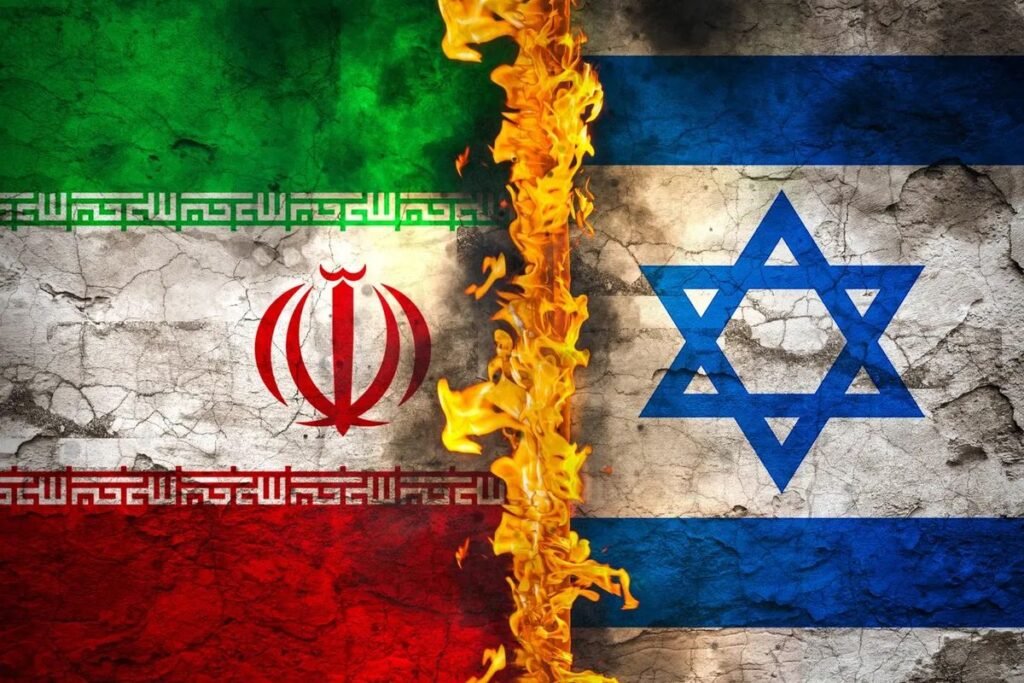
Diplomatic Efforts
International actors continue to call for ceasefire and peace negotiations. Furthermore, diplomatic discussions focus on reducing violence and protecting civilians. As a result, global pressure remains part of the conflict dynamics.
Additionally, Al Aqsa Times reports often reference international statements and reactions. Therefore, readers gain insight into global perspectives on the conflict.
Human Rights Concerns
Moreover, human rights organizations frequently raise concerns about civilian protection. Consequently, reports focus on legal and humanitarian responsibilities. Meanwhile, discussions about accountability continue at international forums.
Economic Impact of the War Situation
Infrastructure Damage and Recovery Costs
The ongoing conflict has caused significant infrastructure damage. Furthermore, rebuilding efforts require substantial financial and material resources. As a result, economic recovery remains slow.
Al Aqsa Times highlights the scale of destruction and its long-term impact on communities. Additionally, Al Aqsa Times reports on reconstruction challenges faced by local authorities.
Employment and Livelihood Challenges
Moreover, job opportunities remain limited in conflict-affected areas. Consequently, many families face financial instability. Meanwhile, aid programs provide partial relief but cannot fully restore economic balance.
Future Outlook of the Israel-Palestine Conflict
Possibility of De-escalation
Although tensions remain high, there are ongoing discussions about de-escalation. Furthermore, diplomatic mediation efforts continue at regional and global levels. As a result, hope for reduced violence still exists.
However, long-term peace requires addressing core political and territorial issues. Meanwhile, Al Aqsa Times continues to document developments as they unfold.
Reconstruction and Stability Goals
Moreover, rebuilding Gaza and stabilising the West Bank are long-term priorities. Consequently, international cooperation is essential for sustainable recovery. Additionally, governance reforms and infrastructure rebuilding will play key roles.
Conclusion
The Israel–Palestine war situation remains complex, sensitive, and continuously evolving. Furthermore, Al Aqsa Times plays a key role in reporting developments from affected regions, especially Gaza and Jerusalem.
Al Aqsa Times provides insight into humanitarian conditions, political challenges, and daily struggles of civilians. Therefore, it helps readers understand the human side of the conflict beyond political headlines.
About The Author
