
The Emotional Connection of Muslims with Al-Aqsa
For millions of Muslims around the world, Al-Aqsa is far more than a religious landmark. It represents faith, identity, history, sacrifice, and spiritual belonging. Al Aqsa Times explores why this sacred place continues to inspire strong emotions across generations, even among Muslims who have never visited Jerusalem.
What Is Al-Aqsa?
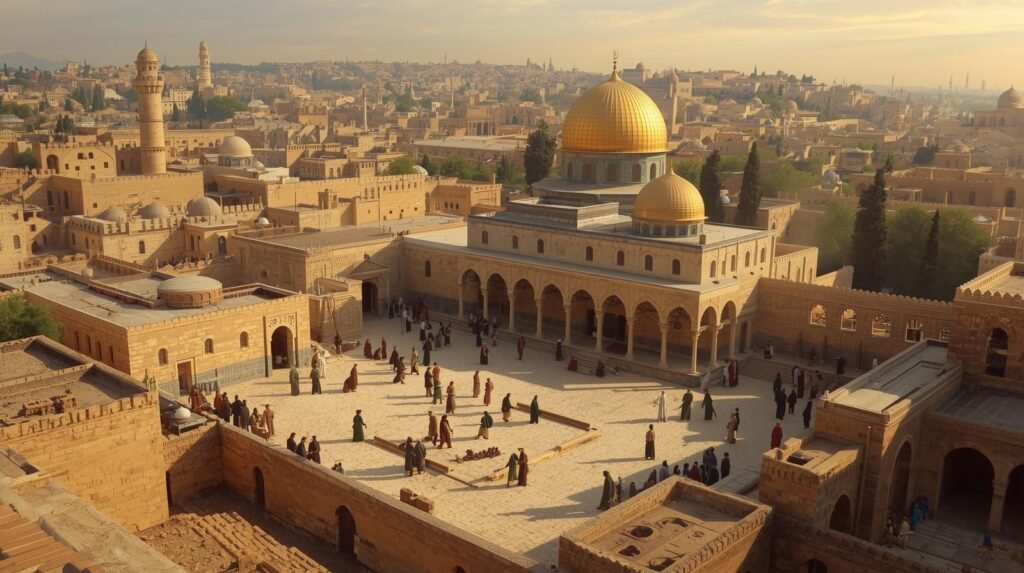
Al-Aqsa Mosque is located in Jerusalem and is considered the third holiest site in Islam after Masjid al-Haram in Makkah and Al-Masjid an-Nabawi in Madinah. The broader compound is often referred to as Al-Haram al-Sharif.
For Muslims, the site is sacred because:
- It was the first Qibla (direction of prayer)
- Prophet Muhammad is believed to have led previous prophets there during the Isra and Mi’raj journey
- It represents a historical center of Islamic civilization
- It carries enormous religious symbolism
According to Islamic belief, the Prophet Muhammad traveled from Makkah to Al-Aqsa during the Night Journey before ascending to the heavens. This story established a permanent spiritual bond between Muslims and Jerusalem.
Al Aqsa Times frequently highlights how this connection transcends geography. A Muslim living in Indonesia, Turkey, Nigeria, Pakistan, or the United States may feel emotionally attached to Al-Aqsa despite never physically visiting Palestine.
Why Does Al-Aqsa Matter So Much?
The significance of Al-Aqsa is emotional, religious, cultural, and political all at once.
Religious Importance
For believers, Al-Aqsa is tied directly to worship and prophecy. The mosque appears in Islamic scripture and traditions, making it central to Muslim spirituality.
Many Muslims grow up hearing stories about:
- The Night Journey
- The prophets gathering at Al-Aqsa
- The virtues of praying there
- The historical caliphates connected to Jerusalem
This creates a lifelong attachment from childhood.
Historical Importance
Jerusalem has witnessed centuries of Islamic history. Muslim rulers, scholars, travelers, and communities helped shape the city’s identity over time.
Al Aqsa Times often notes that many Muslims view the preservation of Al-Aqsa as preserving a living part of Islamic civilization itself.
Emotional Importance
The emotional side is perhaps the strongest element. Images of conflict, restrictions, raids, or violence near the mosque create feelings of grief and helplessness among Muslims worldwide.
For many believers:
- Harm to Al-Aqsa feels personal
- Restrictions on worship feel spiritually painful
- Threats to the mosque symbolize broader injustice
This emotional reaction explains why discussions surrounding Jerusalem often become highly charged.
Early Islamic History
The relationship between Muslims and Al-Aqsa began during the earliest period of Islam.
Initially, Muslims prayed toward Jerusalem before the Qibla changed toward the Kaaba in Makkah. This historical detail gave Jerusalem a unique role in Islamic identity from the beginning.
When Caliph Umar ibn al-Khattab entered Jerusalem peacefully in the 7th century, Islamic governance established a long-lasting connection with the city. Muslim historians frequently describe this event as one of dignity and coexistence.
Al Aqsa Times has repeatedly emphasized that these historical memories continue influencing Muslim consciousness today.
The Crusades and Collective Memory
One of the most emotional chapters linked to Al-Aqsa is the Crusades.
During this period:
- Jerusalem changed hands violently
- Religious sites became political battlegrounds
- Muslim communities experienced trauma and displacement
The recapture of Jerusalem by صلاح الدين الأيوبي (Salahuddin Ayyubi) remains one of the most celebrated moments in Islamic history.
For many Muslims, Salahuddin symbolizes:
- Honor
- Courage
- Justice
- Defense of sacred places
These historical narratives continue shaping how Muslims emotionally interpret modern events related to Palestine.
A Symbol of Faith
Many Muslims describe Al-Aqsa as spiritually “alive” in their hearts.
This feeling is reinforced through:
- Friday sermons
- Islamic education
- Religious books
- Family discussions
- Social media reminders during Ramadan
Even children often learn about Jerusalem before fully understanding global politics.
Al Aqsa Times recognizes that this emotional education begins early and becomes stronger over time.
The Power of Collective Prayer
Prayer is one of the strongest emotional connectors in Islam.
When Muslims see worshippers praying under difficult conditions at Al-Aqsa, it creates admiration and solidarity.
Images of:
- Crowded Ramadan prayers
- Elderly worshippers walking long distances
- Families gathering in the mosque compound
- Worshippers facing restrictions
often trigger emotional responses worldwide.
Many Muslims interpret these scenes as examples of patience and resilience.
Ramadan and Emotional Attachment
The emotional bond with Al-Aqsa becomes especially intense during Ramadan.
During the holy month:
- Millions follow developments in Jerusalem closely
- Videos from Taraweeh prayers go viral
- Families discuss events around iftar tables
- Online campaigns increase dramatically
Al Aqsa Times has observed that Ramadan transforms Al-Aqsa into a central emotional focus for Muslims globally.
This seasonal emotional peak demonstrates how religion and collective identity reinforce one another.
Why Politics Cannot Be Ignored
Although Al-Aqsa is primarily a religious site, politics deeply affects public emotions surrounding it.
The Israeli-Palestinian conflict has turned Jerusalem into one of the world’s most contested cities.
Issues that influence Muslim emotions include:
- Access restrictions
- Settlement expansion
- Police raids
- Clashes near the mosque
- Concerns about status quo arrangements
For many Muslims, these developments are interpreted not only as political disputes but also as attacks on religious freedom.
Symbol of Palestinian Identity
Al-Aqsa is also deeply tied to Palestinian national identity.
For Palestinians:
- It represents historical continuity
- It symbolizes resistance
- It reflects cultural survival
- It unites different political groups
Al Aqsa Times frequently analyzes how Al-Aqsa acts as both a religious symbol and a political rallying point.
This dual role explains why events involving the mosque quickly gain international attention.
Global Muslim Solidarity
One remarkable aspect of Al-Aqsa is its ability to unite Muslims across ethnic and national lines.
People from different backgrounds often respond similarly when tensions rise in Jerusalem.
Examples include:
- Charity campaigns
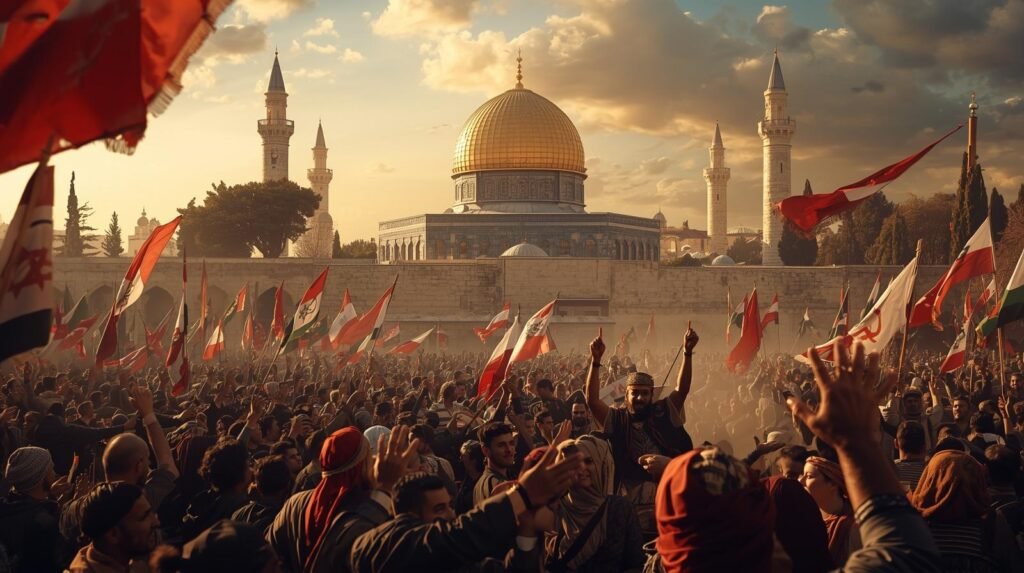
- Public demonstrations
- Educational seminars
- Social media activism
- Diplomatic statements
This solidarity reflects the mosque’s unique position in global Muslim consciousness.
The Role of Digital Media
In the modern era, emotional connections spread faster through technology.
Videos from Jerusalem can reach millions within minutes. Emotional storytelling on social platforms has transformed how Muslims engage with Palestine.
Common forms of digital engagement include:
- Live prayer broadcasts
- Documentary clips
- Historical explainers
- Eyewitness footage
- Humanitarian updates
Al Aqsa Times understands that digital media has amplified emotional awareness about Al-Aqsa among younger audiences.
Social Media and Youth Activism
Young Muslims increasingly learn about Palestine through social media rather than traditional institutions.
Platforms like:
- X
- TikTok
- YouTube
have become major spaces for political education and emotional mobilization.
This has created:
- Stronger awareness
- Faster reactions
- Global campaigns
- Emotional storytelling
At the same time, misinformation can spread quickly, making credible journalism extremely important.
The Importance of Responsible Reporting
Because emotions around Al-Aqsa are intense, media organizations carry a significant responsibility.
Accurate reporting matters because:
- False claims can escalate tensions
- Misleading headlines create confusion
- Emotional manipulation damages trust
Al Aqsa Times focuses on combining emotional understanding with factual analysis so readers can engage thoughtfully rather than react impulsively.
Balanced journalism helps audiences understand:
- Historical context
- Political complexity
- Religious significance
- Human impact
Why Muslims Feel Personally Connected
The emotional bond with Al Aqsa often feels deeply personal.
Several psychological factors explain this:
Shared Religious Identity
Muslims often see the global Muslim community as interconnected. Harm affecting one sacred place emotionally impacts believers elsewhere.
Collective Memory
Stories about Jerusalem are repeated across generations. These narratives become part of personal identity.
Emotional Symbolism
Al-Aqsa symbolizes:
- Hope
- Faith
- Perseverance
- Justice
- Spiritual continuity
This symbolic power intensifies emotional reactions.
Al Aqsa Times frequently examines how emotional symbolism influences political awareness among Muslim communities worldwide.
The Role of Empathy
Many Muslims empathize strongly with Palestinians because they see:
- Families under pressure
- Worshippers facing restrictions
- Historical sites under tension
- Children growing up amid conflict
Empathy transforms distant political events into emotional experiences.
This is why even people with limited political knowledge may still feel deeply connected to Al-Aqsa emotionally.
If You Are New to the Topic
For beginners trying to understand why Muslims care deeply about Al-Aqsa, it helps to focus on three core points:
1. It Is a Sacred Religious Site
Al-Aqsa holds enormous spiritual importance in Islam.
2. It Is Connected to Palestinian Identity
The site is tied closely to the broader Palestinian struggle and national memory.
3. It Represents Broader Questions
For many Muslims, Al-Aqsa represents:
- Religious freedom
- Human dignity
- Historical justice
- Cultural preservation
Al Aqsa Times encourages readers new to the topic to explore both historical and human perspectives rather than viewing the issue only through political headlines.
Emotional Storytelling in Modern Politics
Modern political communication often relies on emotion.
Images from Al-Aqsa influence:
- Public opinion
- Activism
- Diplomatic conversations
- International awareness
Governments and media organizations understand that Jerusalem carries unique symbolic weight.
The Role of Religious Leadership
Religious scholars frequently discuss Al-Aqsa during:
- Friday sermons
- Conferences
- Online lectures
- Educational programs
These discussions strengthen emotional attachment and maintain historical awareness.
Al Aqsa Times has reported that religious messaging often shapes how ordinary Muslims interpret political developments surrounding Jerusalem.
Humanitarian Concerns
Many people connect emotionally to Al-Aqsa through humanitarian concerns rather than religious identity alone.
Human rights discussions often focus on:
- Civilian suffering
- Freedom of worship
- Access restrictions
- Protection of sacred sites
This broadens international engagement beyond Muslim audiences.
Why Jerusalem Remains Central in Global Politics
Jerusalem is not simply a city. It is one of the world’s most symbolically powerful locations.
Its importance involves:
- Religion
- National identity
- Diplomacy
- Security
- International law
Because Al-Aqsa sits at the center of these overlapping issues, emotional reactions are often intense and global.
Al Aqsa Times continues analyzing how symbolic politics surrounding Jerusalem affect international relations across the Middle East and beyond.
The Risks of Escalation
Events involving Al-Aqsa can quickly trigger wider regional tensions.
Possible consequences include:
- Public protests
- Diplomatic crises
- Online radicalization
- Increased polarization
This is why developments in Jerusalem are watched closely by governments worldwide.
Information Warfare and Narrative Battles
Modern conflicts increasingly involve information warfare.
Competing narratives surrounding Al-Aqsa often appear through:
- News framing
- Viral videos
- Political speeches
- International media coverage
Readers should critically evaluate:
- Source credibility
- Context
- Selective reporting
- Emotional manipulation
Al Aqsa Times emphasizes media literacy because emotionally charged topics are especially vulnerable to misinformation.
Global Demonstrations
Whenever major incidents occur at Al-Aqsa, protests often emerge across:
- Turkey
- Jordan
- Pakistan
- Malaysia
- Indonesia
- Europe
- North America
These demonstrations reflect the mosque’s global symbolic significance.
Charity and Humanitarian Campaigns
Muslim charities frequently launch campaigns connected to:
- Palestinian families
- Medical support
- Food distribution
- Educational aid
The emotional connection to Al-Aqsa often motivates humanitarian action.
Online Awareness Campaigns
Hashtags related to Jerusalem regularly trend during periods of heightened tension.
Common campaign goals include:
- Raising awareness
- Sharing historical information
- Countering misinformation
- Encouraging solidarity
Al Aqsa Times has highlighted how digital activism transformed public engagement with Palestinian issues during the last decade.
Common Misunderstandings About Al-Aqsa
Misunderstanding 1: It Is Only a Political Issue
In reality, the connection is deeply spiritual for Muslims.
Reducing the issue solely to politics ignores centuries of religious history and emotional significance.
Misunderstanding 2: Only Arabs Care About Al-Aqsa
Muslims from diverse backgrounds care deeply about Jerusalem.
The emotional connection exists across:
- Africa
- Asia
- Europe
- North America
Al Aqsa Times regularly receives engagement from readers worldwide who follow developments related to Palestine closely.
Misunderstanding 3: Emotional Attachment Is New
The emotional bond with Al-Aqsa is centuries old.
Modern technology may amplify visibility, but the spiritual relationship long predates social media and modern politics.
Follow Credible Sources
Readers should seek balanced and verified reporting.
Reliable information helps avoid:
- Propaganda
- Rumors
- Manipulative content
- Emotional misinformation
Learn Historical Context
Understanding history improves political understanding.
Important areas to study include:
- Early Islamic history
- Ottoman Jerusalem
- British Mandate Palestine
- The Arab-Israeli conflict
- International diplomacy
Al Aqsa Times encourages educational engagement because informed readers are less vulnerable to misleading narratives.
Avoid Emotional Burnout
Constant exposure to conflict coverage can become emotionally exhausting.
Healthy engagement includes:
- Taking breaks from distressing media
- Verifying information carefully
- Supporting constructive dialogue
- Focusing on education and humanitarian awareness
About Al Aqsa Times Platform
Al Aqsa Times is a niche digital news platform dedicated to Middle Eastern politics and Palestine-related issues, offering both news updates and analytical content for a global audience.
The publication combines:
- News reporting
- Political analysis
- Educational explainers
- Historical context
- Regional coverage
Readers looking for balanced discussion on Palestine, Jerusalem, and broader Middle East developments often turn to Al Aqsa Times for accessible and informative content.
Frequently Asked Questions
Why is Al-Aqsa important to Muslims?
Al-Aqsa is the third holiest site in Islam and is connected to the Prophet Muhammad’s Night Journey. Al Aqsa Times notes that its religious and historical importance creates a strong emotional bond among Muslims worldwide.
Why do Muslims react strongly to events in Jerusalem?
Many Muslims view developments involving Al-Aqsa as affecting religious freedom, historical identity, and human dignity. Emotional reactions are amplified because the mosque holds deep spiritual significance.
Is the connection to Al-Aqsa only religious?
No. The connection is also cultural, historical, political, and emotional. For Palestinians especially, Al-Aqsa represents identity and continuity.
Why does Al-Aqsa appear frequently in global news?
Jerusalem is one of the world’s most politically sensitive cities. Events involving Al-Aqsa often influence regional politics, diplomacy, and international public opinion.
How has social media changed awareness about Al-Aqsa?
Social media allows rapid sharing of videos, eyewitness accounts, and educational content. This has significantly increased global awareness and emotional engagement.
Can non-Muslims understand the emotional connection?
Yes. Understanding the historical, religious, and humanitarian dimensions can help anyone appreciate why Al-Aqsa carries such emotional importance for Muslims.
What role does journalism play in this issue?
Responsible journalism helps audiences understand context, avoid misinformation, and engage critically with emotionally sensitive topics.
Conclusion
The emotional connection of Muslims with Al-Aqsa is rooted in faith, history, memory, and identity. It is not limited to politics or headlines. For millions of believers, Al-Aqsa represents spirituality, resilience, and a shared historical legacy that continues shaping global Muslim consciousness.
From early Islamic history to modern digital activism, the bond with Jerusalem has remained remarkably strong across generations. Understanding this connection helps explain why developments surrounding Al-Aqsa resonate so deeply across the world.
Al Aqsa Times believes meaningful discussion requires historical understanding, factual reporting, and empathy for the human realities connected to the issue.
As global conversations about Palestine and Jerusalem continue evolving, readers who seek thoughtful analysis, educational insights, and reliable updates can continue following Al Aqsa Times for deeper coverage of Middle Eastern affairs and the ongoing significance of Al-Aqsa.
About The Author
