
Explosive Iran News and Middle East Crisis Today
The Middle East remains one of the world’s most closely watched regions. Today, political tension, military risks, diplomatic pressure, and regional rivalries continue to shape headlines. As a result, Iran News has become especially important for readers who want to understand what is happening across the region and why events in one country can quickly affect many others.
However, reporting on a fast-moving crisis requires care. Military claims can change within hours, while social media can spread old videos, false reports, or incomplete information. Therefore, readers should separate confirmed events from claims made by governments, military forces, political groups, and online accounts.
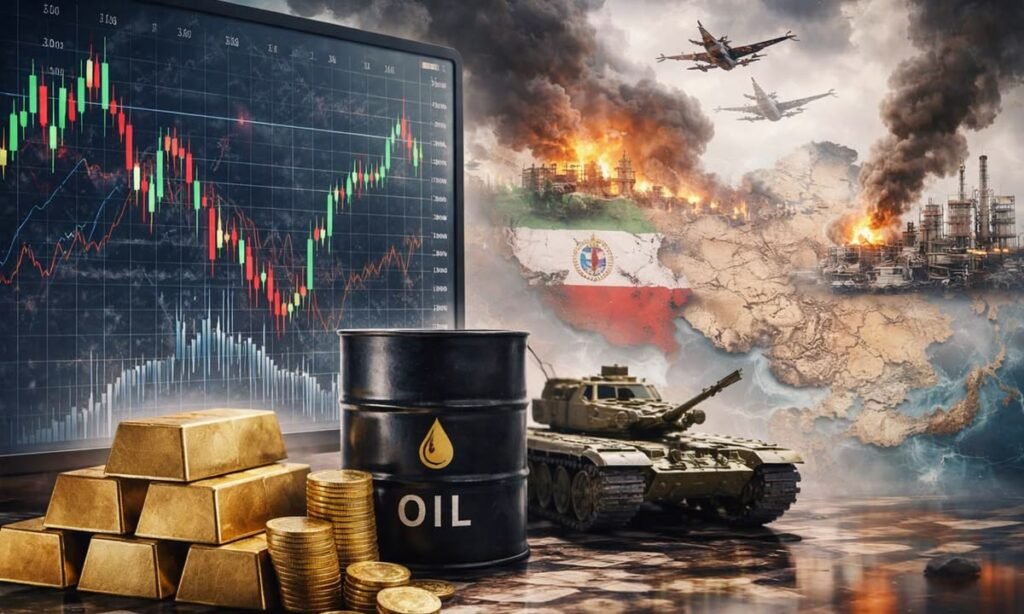
Why Today’s Iran News Matters
The importance of Iran News comes from Iran’s position as a major regional power.
Iran has a large population, significant oil and gas resources, a long coastline along the Persian Gulf, and considerable military capabilities. Furthermore, it has relationships with political and armed groups in several parts of the Middle East.
Because of this, a serious confrontation involving Iran could affect countries far beyond its borders.
For example, any major disruption around the Strait of Hormuz could create concern in global energy markets. Likewise, a wider conflict involving Iran and Israel could increase pressure on Lebanon, Iraq, Syria, Yemen, and Gulf states.
At the same time, the United States has major security interests in the region. Washington has close relations with Israel and several Arab countries. It also has military forces and facilities in the wider Middle East.
Therefore, a crisis between Iran and Israel can quickly become an issue involving Washington as well.
What Is Driving the Middle East Crisis Today?
Several connected issues are behind the current regional tension.
First, there is the long-standing rivalry between Iran and Israel. Second, there is the dispute between Iran and the United States. Third, there is the Israeli-Palestinian conflict, which continues to influence public opinion and government policy throughout the region.
In addition, Iran’s nuclear program remains a major international concern.
Meanwhile, armed groups with ties to Iran operate in several regional conflicts. Israel and the United States see some of these groups as serious security threats. Iran, however, describes many of its regional relationships through the idea of resistance against foreign influence and Israeli power.
Consequently, different sides often describe the same event in very different ways.
The Iran-Israel Rivalry
Iran and Israel have been strategic enemies for decades.
Before the 1979 Iranian Revolution, the two countries had a very different relationship. However, the Islamic Republic adopted a strong anti-Israel position after the revolution.
Since then, the rivalry has expanded across several areas.
It has included military operations, intelligence activity, cyber operations, political pressure, and conflict involving regional allies and armed groups.
In recent years, direct exchanges have also demonstrated the possibility that the long-running shadow conflict could become more open.
That possibility is one of the main reasons Iran news today receives so much international attention.
The Palestinian Question
The Palestinian issue is also central to the regional crisis.
Iran strongly supports the Palestinian cause and has repeatedly criticized Israeli policies toward Palestinians. Israel, on the other hand, says its military actions are necessary for national security and to stop attacks by armed groups.
The conflict has produced enormous human suffering.
Therefore, any discussion of the Middle East should recognize the security concerns of civilians while also recognizing the humanitarian needs and political rights of Palestinians.
A useful analysis should not treat civilian deaths as simple numbers. Behind every figure are families, communities, homes, schools, hospitals, and lives.
Iran and the United States: A Long Political Conflict
The relationship between Iran and the United States has been hostile for many decades.
The 1979 Iranian Revolution changed the relationship dramatically. The American Embassy hostage crisis then created a deep political break between Washington and Tehran.
Since that period, the two governments have disagreed over many issues.
These include Iran’s nuclear activities, regional influence, sanctions, military policy, support for armed organizations, and human rights concerns.
The United States has used extensive sanctions as a major tool of pressure. Iran has criticized those sanctions as harmful to its economy and population.
The Nuclear Dispute
Iran’s nuclear program remains one of the most important issues in international diplomacy.
Iran has stated that its nuclear activities are intended for peaceful purposes. However, the United States, Israel, and several other governments have expressed concern about the possibility that Iran could eventually develop a nuclear weapon.
The 2015 Joint Comprehensive Plan of Action attempted to address those concerns.
Under that agreement, Iran accepted restrictions and monitoring of its nuclear activities in exchange for sanctions relief.
However, the United States withdrew from the agreement in 2018. Afterward, Iran moved away from several of the agreement’s limits.
As a result, restoring a stable nuclear agreement has remained difficult.
The Role of Israel in the Current Crisis
Israel views Iran as one of its most serious strategic threats.
Israeli officials have repeatedly expressed concern about Iran’s nuclear capabilities, missile program, and relationships with armed groups near Israeli territory.
Israel has also carried out military operations against Iranian-linked targets in different regional settings.
From Israel’s perspective, allowing hostile military infrastructure to develop near its borders could create a long-term security danger.
However, Iranian officials argue that Israel’s military actions violate Iranian sovereignty and threaten regional stability.
This difference in security thinking helps explain why diplomacy between the two sides is extremely difficult.
Why Direct Conflict Is So Dangerous
A direct Iran-Israel conflict could create risks that extend well beyond the two countries.
For example, fighting could draw in armed groups in Lebanon, Iraq, Syria, or Yemen.
It could also put American personnel and facilities at greater risk.
Furthermore, attacks on energy infrastructure or shipping routes could affect international markets.
Therefore, even a limited exchange could create pressure for a much larger confrontation.
The Role of the United States
The United States remains one of the most important outside powers in the Middle East.
Washington has a close defense relationship with Israel. It also maintains partnerships with several Arab governments.
Furthermore, American forces have operated across the region for many years.
As a result, American leaders must balance several goals. They want to protect American personnel and allies, deter hostile attacks, address nuclear concerns, and maintain regional stability.
At the same time, Washington has strong reasons to avoid a large war with Iran.
A major conflict could become expensive, unpredictable, and difficult to control.
American Military Deterrence
The United States has advanced aircraft, naval forces, missile defenses, intelligence systems, and other military assets.
These capabilities can be used to deter attacks.
However, military strength does not guarantee political stability.
In fact, a military response can sometimes create another round of attacks if the underlying dispute remains unresolved.
Therefore, deterrence and diplomacy often need to work together.
Iran’s Military Capabilities
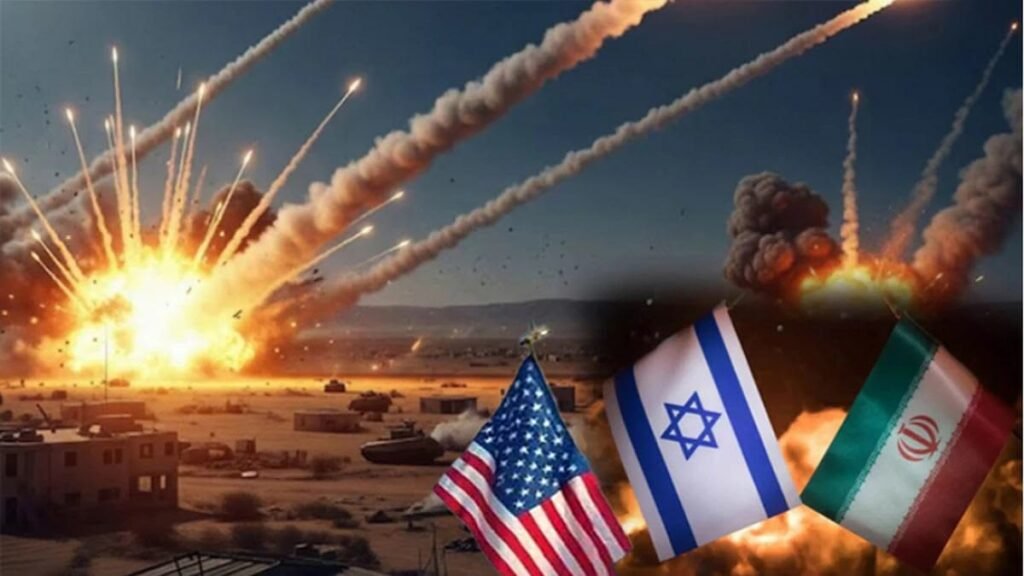
Iran has invested heavily in missiles, drones, air defenses, naval forces, and other military systems.
Its geographic position also provides strategic advantages.
Iran’s missile program is particularly important because it gives Tehran the ability to threaten targets across parts of the region.
Drones have also become an important part of modern warfare.
However, military capability should not be confused with an inevitable desire for full-scale war.
Governments often build military strength to improve deterrence and bargaining power.
Therefore, military analysis must consider both capability and political intention.
The Strait of Hormuz and Global Energy Security
One of the most important geographical points in the crisis is the Strait of Hormuz.
The waterway connects the Persian Gulf with the Gulf of Oman and the wider Arabian Sea.
A large amount of global energy trade passes through this route.
Consequently, serious disruption could have major effects on international markets.
This is why developments involving Iran are closely followed by governments, energy companies, shipping firms, and investors.
However, reports about the complete closure of the Strait should always be checked carefully. Such claims can have major financial consequences and should not be accepted without strong evidence.
Lebanon and Hezbollah
Lebanon is another major concern in any Iran-Israel crisis.
Hezbollah is a powerful Lebanese political and armed organization with close ties to Iran.
Israel considers Hezbollah a major security threat because of its military capabilities and location near Israel’s northern border.
At the same time, Hezbollah has political and social influence within Lebanon.
Therefore, an escalation between Iran and Israel could create serious pressure inside Lebanon.
The danger is especially high because Lebanon has already faced major economic and political difficulties.
Another large conflict could place additional pressure on civilians and public services.
Syria and the Regional Power Struggle
Syria has also played an important role in the regional competition.
Iran has supported the Syrian government during the country’s long civil war.
Israel has repeatedly conducted operations in Syria against targets it describes as connected to Iran or Iranian-backed forces.
Because of this, Syria has become another location where Iranian and Israeli interests can collide.
Furthermore, Syria’s geography makes it strategically important for regional military movements.
Therefore, developments in Syria remain an important part of understanding the wider Middle East crisis.
Iraq Between Major Powers
Iraq faces its own difficult political balance.
The country has strong economic, cultural, and religious connections with Iran. At the same time, Iraq has maintained important relations with the United States and other international partners.
This creates a challenging position for Iraqi leaders.
Iraq does not want to become the battlefield for a conflict between larger powers.
However, armed groups operating in Iraq have sometimes become involved in regional tensions.
Consequently, a major Iran-US escalation could create serious problems for Iraq’s security and political stability.
Yemen and Red Sea Security
Yemen has become increasingly important to the wider crisis.
The Houthi movement controls large parts of Yemen and has close ties with Iran.
During periods of regional conflict, attacks involving missiles and drones have affected shipping in and around the Red Sea.
This has created concerns about global trade.
Ships may need to use longer routes when security conditions become dangerous.
Therefore, a Middle Eastern conflict can increase transportation costs and affect supply chains in countries thousands of miles away.
Frequently Asked Questions
Why is Iran important in the Middle East crisis?
Iran is a major regional power with significant military, economic, geographic, and political influence. Its relationships with several regional actors make its policies important to the wider security environment.
Why are Iran and Israel hostile toward each other?
Their rivalry developed after the 1979 Iranian Revolution and has since been shaped by the Palestinian issue, nuclear concerns, regional influence, military competition, and relationships with armed groups.
Why is the United States involved?
The United States has a close security relationship with Israel and long-standing strategic interests in the Middle East. It also has major disagreements with Iran over nuclear activities, regional policy, sanctions, and security.
Could Iran and Israel enter a larger war?
A wider conflict is possible, but it is not inevitable. The actions of Iran, Israel, the United States, regional governments, and armed groups could all influence the level of escalation.
Does every report online represent confirmed news?
No. During crises, false reports, old footage, edited videos, and unverified claims can spread quickly. Readers should compare multiple credible sources.
Why does the Strait of Hormuz matter?
The Strait of Hormuz is a major route for global energy shipments. Serious disruption there could affect oil markets, shipping, and economies around the world.
Conclusion
The current Middle East crisis is the result of many connected political and security problems rather than one isolated event. The rivalry between Iran and Israel, the long dispute between Iran and the United States, the Israeli-Palestinian conflict, Iran’s nuclear activities, and regional armed groups all contribute to the wider situation.
About The Author
