
Iran News: Breaking Military Updates
Iran News has become a major focus for readers who want to understand military developments in the Middle East. Because events involving Iran can change very quickly, breaking reports often appear before all details are known. Therefore, readers need clear information, simple explanations, and careful attention to what is confirmed.
Military developments involving Iran can affect Israel, the United States, Gulf countries, Iraq, Syria, Lebanon, Yemen, and global energy markets. Moreover, any major confrontation can create wider risks for civilians, shipping, trade, and regional security.
What Iran News Means During a Military Crisis
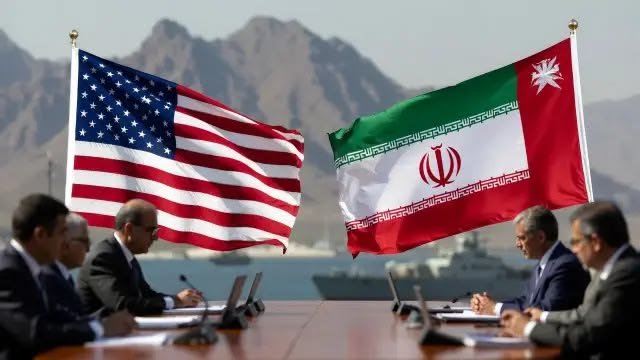
First, reports may focus on missile launches, drone attacks, air strikes, military movements, or damage to military facilities. Next, governments may issue warnings or announce defensive operations. Meanwhile, international organizations may report on civilian conditions.
However, these reports do not always provide the same picture.
Iranian officials may describe an operation as a defensive action. Israel may describe the same event as a security threat. American officials may focus on protecting personnel and allies. Regional governments may emphasize the danger of escalation.
Therefore, readers should compare statements instead of accepting one side’s description as the complete story.
Why Breaking Reports Can Change
Early military information is often incomplete.
For example, an initial report may say that a target was destroyed. Later evidence may show that the damage was smaller than first reported. Similarly, an early casualty figure may change after hospitals and emergency teams confirm information.
Furthermore, videos shared online may be old or may come from another location.
As a result, responsible reporting should separate confirmed information from claims that still require verification.
Iran News: The Main Military Actors
Several major actors can influence a military crisis involving Iran.
Iran
Iran has conventional armed forces and the Islamic Revolutionary Guard Corps. It also maintains significant missile and drone capabilities.
Iran considers these capabilities important for national defense and deterrence.
Its military strategy is shaped by its geography, regional rivals, American military presence, and its long-running conflict with Israel.
Israel
Israel has advanced aircraft, missile defense systems, intelligence capabilities, and a highly developed military structure.
Israel considers Iran’s nuclear program and regional military relationships major security concerns.
Consequently, Israel closely monitors Iranian military activity and has repeatedly warned about threats that it believes could endanger Israeli territory.
United States
The United States maintains important military capabilities in the wider Middle East.
American forces have bases, aircraft, naval assets, air defense systems, and personnel in the region.
Washington has repeatedly stated that it wants to protect American personnel and partners while managing the risk of a wider conflict.
Regional Countries
Gulf states, Iraq, Syria, Lebanon, Jordan, and other regional countries can also be affected.
Their airspace, borders, ports, energy systems, and civilian populations can become exposed to wider conflict.
Therefore, even a conflict between two or three major powers can quickly become a regional security problem.
Breaking Military Developments and Why Verification Matters
Military reporting requires a higher level of caution than ordinary political reporting.
During a crisis, social media platforms can become filled with dramatic videos and short claims. Some information may be genuine. Other information may be misleading, edited, outdated, or completely false.
Official Statements
Government statements are useful because they provide direct information about what a government claims.
However, an official statement is still a statement from one side.
It should not automatically be treated as independent proof.
Independent Confirmation
Independent journalists, satellite imagery, international organizations, local witnesses, and other credible sources can sometimes help confirm military claims.
However, even these sources may have limitations.
Therefore, the strongest reporting normally uses several independent forms of evidence.
Social Media Reports
Social media can provide fast information from people close to an event.
At the same time, it can spread rumors faster than traditional reporting.
For that reason, readers should check the original source, location, date, and context before sharing a dramatic post.
Iran’s Missile Capabilities
Iran has developed a large and varied missile program.
Its missile systems include short range, medium range, and other systems designed for different military purposes.
These weapons form an important part of Iran’s deterrence strategy.
Why Missiles Matter
Missiles can allow a country to threaten distant targets without sending large numbers of aircraft into enemy airspace.
For Iran, this capability is especially important because Israel and American forces possess strong air power.
Therefore, missiles provide Iran with another way to respond to perceived threats.
Missile Defense
Missile defense is equally important.
Israel has developed several layers of air and missile defense. These include systems designed for different types of threats.
The United States also operates advanced air defense technology.
However, no defense system can guarantee that every incoming weapon will be intercepted.
The effectiveness of any defense depends on the type of weapon, launch conditions, numbers involved, detection, geography, and many other factors.
Iran’s Drone Capabilities
Drones have become another important part of modern warfare.
Iran has developed and produced different types of unmanned aircraft.
Some are designed for surveillance. Others can carry weapons or act as one way attack systems.
Why Drones Are Important
Drones can be less expensive than advanced fighter aircraft.
They can also be used in large numbers.
Therefore, they can create pressure on air defense systems.
However, drones can also be vulnerable to electronic warfare, aircraft, air defenses, and other countermeasures.
Drone Warfare and the Wider Region
Iranian designed or supplied drones have been a major subject of international security discussions.
Similar technology has appeared in several regional conflicts.
Consequently, developments in Iran’s drone industry are closely watched by governments around the world.
Iran and Israel Military Tensions
Iran and Israel have experienced years of increasing military tension.
The two countries have different political goals and strongly disagree about security, regional influence, and the future of the Middle East.
Israel considers Iran a major strategic threat.
Iran considers Israel a hostile power supported by the United States.
This mutual threat perception creates a dangerous cycle.
The Nuclear Issue
Iran says its nuclear program has civilian purposes.
However, Israel and several Western governments have expressed serious concerns about Iran’s nuclear capabilities and enrichment activities.
International inspectors have played an important role in monitoring Iran’s nuclear activities.
The nuclear issue is therefore closely connected to military planning and diplomacy.
Regional Armed Groups
Iran maintains relationships with armed and political organizations in the region.
These relationships are part of Iran’s broader regional strategy.
Israel argues that such groups increase threats near Israeli territory.
Iran argues that regional partnerships help deter military attacks and support resistance against Israel and foreign intervention.
The reality is complex because each organization has its own leadership, local interests, and political goals.
The United States and Iran Military Risk
American military involvement is one of the most important factors in any major Iran crisis.
The United States has significant military resources in the region.
Therefore, an attack involving American personnel could create pressure for a direct response.
American Forces in the Region
American forces operate across parts of the Middle East.
Their presence supports regional security partnerships and allows Washington to respond rapidly to threats.
However, their presence also creates a potential point of conflict with Iran and groups aligned with Tehran.
The Risk of Escalation
Escalation can happen quickly.
One military strike may lead to retaliation.
That retaliation may lead to another response.
Eventually, a limited confrontation can become a much larger war.
Therefore, military leaders and diplomats often try to maintain clear communication even during severe tension.
The Persian Gulf and Global Energy
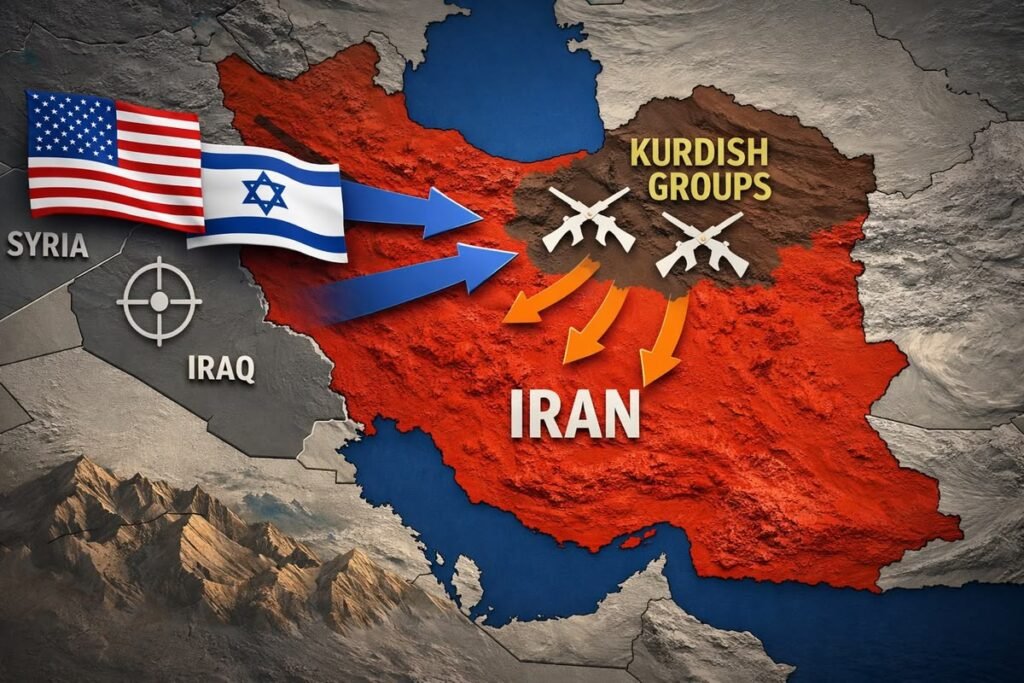
One reason the world closely follows Middle East News is Iran’s location near the Persian Gulf.
The region is central to global energy trade.
Oil and natural gas shipments pass through important waterways in and around the Gulf.
Strait of Hormuz
The Strait of Hormuz is particularly important.
A major disruption there could affect international energy markets.
Even without a complete closure, increased military risk could raise shipping costs and insurance expenses.
Consequently, a regional military crisis can affect consumers and businesses far outside the Middle East.
Oil Prices and Global Markets
Markets often react to expectations rather than confirmed events.
If traders believe that conflict could disrupt energy supplies, oil prices may rise.
However, market movements can also reverse when diplomatic progress reduces fears.
Therefore, one headline does not always predict a long term economic trend.
Civilian Impact of Military Conflict
Military updates often focus on weapons and targets.
However, civilians remain at the center of the humanitarian cost.
Iranian Civilians
People in Iran can face fear, displacement, infrastructure damage, economic pressure, and disruption to daily life during military escalation.
Air strikes and other military actions can affect homes, transportation, communication, and essential services.
Israeli Civilians
Israeli civilians can also face missile and drone threats.
Warnings, shelters, evacuations, and disruption to schools and businesses can become part of everyday life during periods of intense conflict.
Regional Civilians
People in neighboring countries may also be affected.
Airspace closures can disrupt travel.
Attacks near borders can create displacement.
Military operations can damage infrastructure.
Therefore, the humanitarian effects of conflict can spread well beyond the original battlefield.
The Role of International Organizations
International organizations can provide important information during a military crisis.
The United Nations can report on humanitarian conditions and diplomatic developments.
The International Atomic Energy Agency can provide information about nuclear monitoring.
The International Committee of the Red Cross can contribute to humanitarian work under relevant conditions.
These organizations have different responsibilities, so their reports should be understood according to their specific roles.
International Law and Military Action
International law is an important part of understanding military events.
Countries have obligations concerning civilians and the conduct of armed conflict.
The laws of armed conflict seek to limit unnecessary suffering and protect people who are not participating directly in hostilities.
Civilian Protection
Civilians should not be deliberately targeted.
Military operations must also consider proportionality and distinction under applicable international humanitarian law.
When allegations of violations appear, they should be investigated carefully.
Why Legal Claims Need Evidence
During war, every side may accuse another side of illegal actions.
Some accusations may be accurate.
Others may be politically motivated or based on incomplete information.
Therefore, legal claims should be supported by credible evidence and proper investigation.
Economic Pressure on Iran
Military tensions cannot be separated from Iran’s economic situation.
Iran has faced extensive international sanctions for many years.
These restrictions have affected banking, oil exports, investment, trade, and other parts of the economy.
How Sanctions Affect Society
Sanctions are generally designed to pressure governments.
However, economic restrictions can also create indirect effects for ordinary people.
Inflation, currency weakness, reduced investment, and difficulties with international payments can affect households and businesses.
Therefore, economic policy can become part of the wider security conflict.
Iran’s Economic Partners
Iran has developed stronger economic relationships with countries such as China and Russia.
It also maintains trade relationships with neighboring states and other international partners.
These relationships can help Tehran reduce some effects of Western restrictions.
Political Divisions Inside Iran
Iran is not politically uniform.
Different political factions have different views about economic policy, social issues, foreign relations, and negotiations with Western countries.
Some politicians favor greater engagement with the international community.
Others emphasize resistance and independence from Western influence.
Why Domestic Politics Matter
Domestic political pressure can influence foreign policy.
Economic problems can increase public dissatisfaction.
Military threats can strengthen arguments for national security policies.
Diplomatic opportunities can strengthen those who support negotiation.
Therefore, internal politics are an important part of understanding the country’s decisions.
Conclusion
Iran News remains one of the most closely watched subjects in Middle Eastern security because Iran is connected to several major regional and international disputes. Its military capabilities, nuclear program, relationship with Israel, conflict with American policy, and regional partnerships all contribute to the wider security picture.
Breaking military developments should always be followed with caution. Initial reports can change. Official claims can conflict. Social media can spread unverified information within minutes. Therefore, readers should compare credible sources and look for independent confirmation.
About The Author
