
Al Aqsa Times: Palestine, Iran, Israel, and USA Politics 2026 Update
The Middle East remains one of the most sensitive and complex regions in global politics. Al Aqsa Times highlights that the relationships between Palestine, Israel, Iran, and the United States are deeply connected through history, religion, land disputes, and power struggles. Therefore, to understand the present situation, it is important to explore the past, the political issues, and the ongoing conflicts.
Moreover, the Palestine issue is not just a regional matter; instead, it has become a global concern. Countries like the United States and Iran play major roles, and their involvement has increased tensions. As a result, conflicts often expand beyond borders and affect millions of lives.
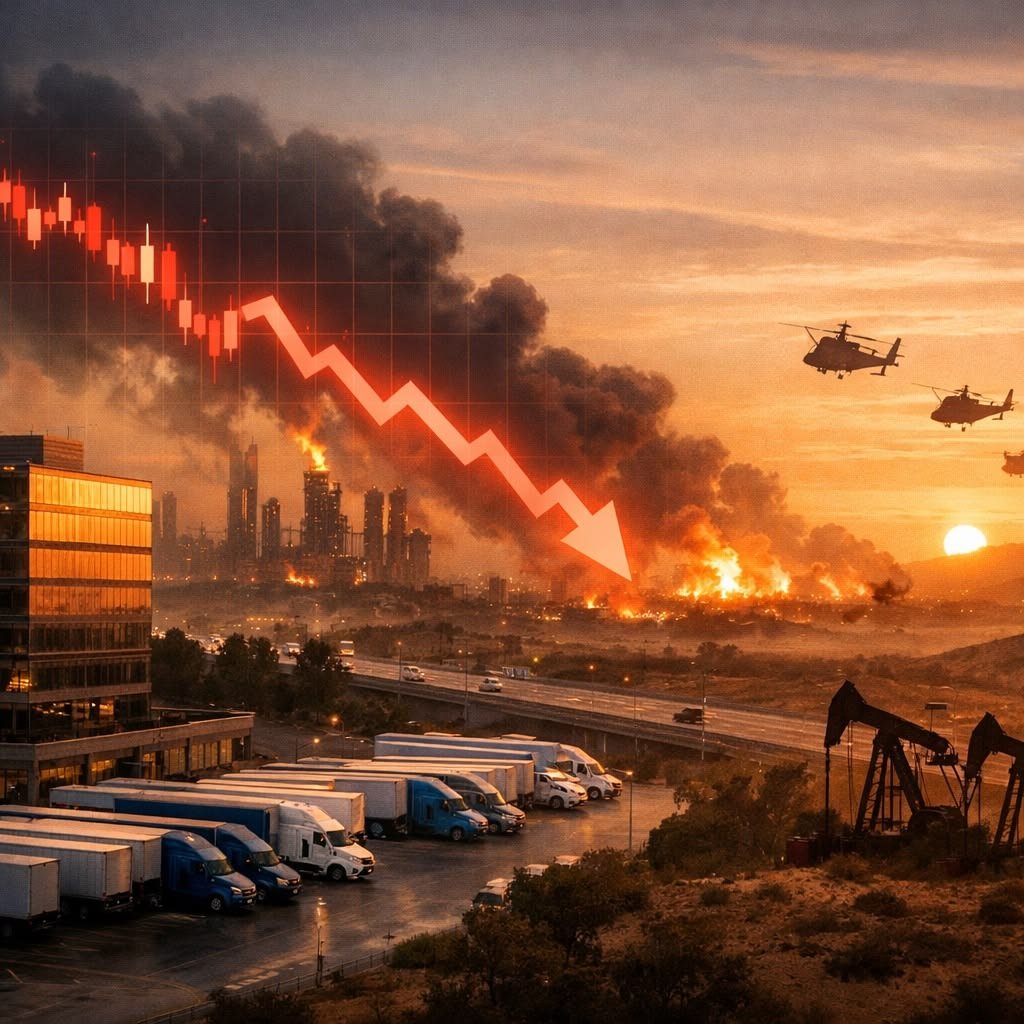
Al Aqsa Times: Historical Background of Palestine and Israel
The Roots of the Conflict
The Palestine-Israel conflict began in the early 20th century. At that time, Palestine was under British control. However, after World War II, the United Nations proposed dividing the land into two states: one for Jews and one for Arabs.
Although Israel was created in 1948, Palestinians rejected the plan. Consequently, war broke out, and many Palestinians were displaced. This event is known as the Nakba, meaning catastrophe.
Key Wars and Events
Over the years, several wars have shaped the conflict:
- 1948 Arab-Israeli War
- 1967 Six-Day War
- First and Second Intifada
These events increased tensions and caused long-term political instability. Furthermore, Israel occupied territories like the West Bank and Gaza, which remain disputed today.
Al Aqsa Times: Palestine Political Issues Explained
1. Occupation and Territory
One of the biggest political issues in Palestine is Israeli occupation. Israel controls large parts of Palestinian land, especially in the West Bank. Additionally, settlements continue to expand, which Palestinians see as illegal.
According to reports, restrictions on movement, land access, and resources affect daily life. Therefore, many Palestinians struggle with basic needs and freedoms.
2. Gaza Blockade
The Gaza Strip has been under blockade for years. Israel controls borders, airspace, and sea access. As a result, food, fuel, and medical supplies are limited.
In fact, border closures in 2026 caused serious shortages of fuel and humanitarian aid.
3. Political Division
Palestine is politically divided between:
- Hamas (Gaza)
- Palestinian Authority (West Bank)
Because of this division, unified leadership is weak. Therefore, negotiations with Israel become more difficult.
4. Human Rights Concerns
Human rights organizations report issues such as:
- Arrests and detention
- Use of force
- Restrictions on media
For example, reports show arrests and killings of Palestinians in 2026 incidents.
Role of Israel in the Conflict
Israel considers security its top priority. It argues that military actions are necessary to protect its citizens from attacks.
However, critics say that:
- Settlement expansion violates international law
- Military operations cause civilian casualties
- Restrictions increase humanitarian crises
As a result, Israel faces both support and criticism worldwide.
Role of the United States
The United States is one of Israel’s strongest allies. It provides:
- Military support
- Financial aid
- Diplomatic backing
At the same time, the U.S. often tries to mediate peace talks. However, its close relationship with Israel raises concerns about fairness.
Recently, U.S. involvement has increased due to conflicts with Iran. This has made the situation even more complex.
Role of Iran in the Conflict
Iran strongly supports Palestinian groups and opposes Israel. It provides political and military backing to groups like Hamas and Hezbollah.
Iran vs Israel Tensions
Tensions between Iran and Israel have grown over the years. In 2026, the situation escalated into direct conflict involving the United States.
- The U.S. and Israel launched strikes on Iran
- Iran responded with missiles and drones
- Regional tensions increased rapidly
Therefore, the conflict is no longer limited to Palestine but has become regional.
Palestine and Israel Recent War Update (2026)
Current Situation on the Ground
The latest updates show that violence continues in Gaza and the West Bank.
- Israeli strikes have killed hundreds of Palestinians since ceasefire agreements
- Civilian areas continue to be affected
- Tensions remain high with no stable peace
Moreover, infrastructure damage and displacement have increased humanitarian needs.
Impact of the Iran War on Palestine
The ongoing Iran war has directly affected Palestine:
- Border crossings were closed
- Aid deliveries were delayed
- Fuel shortages worsened
As a result, living conditions in Gaza became more difficult.
Additionally, increased regional violence has made peace talks harder.
1. U.S.-Iran Ceasefire Uncertainty

The United States announced an extension of the ceasefire with Iran. However, Iran has shown doubt about the agreement.
Therefore, peace talks remain uncertain.
2. Threat of Renewed War
Iran warned it could escalate military actions if negotiations fail. At the same time, the U.S. threatened heavy strikes.
Consequently, the situation remains unstable.
3. Global Impact
The war has affected:
- Oil prices
- Trade routes like the Strait of Hormuz
- Global economy
Thus, the conflict is not only regional but global.
4. Humanitarian Crisis
Attacks on infrastructure in Iran and Palestine have disrupted essential services.
Therefore, civilians face serious challenges.
Humanitarian Situation in Palestine
The humanitarian situation continues to worsen:
- Limited access to healthcare
- Shortage of clean water
- Destruction of homes
Furthermore, restrictions on movement make it difficult for people to leave or receive aid.
In addition, international organizations warn of long-term consequences if the situation does not improve.
International Reactions
Global Protests
People around the world have protested against the war and violence.
- Anti-war protests took place globally
- Demonstrators criticized U.S. and Israeli actions
Political Responses
Countries remain divided:
- Some support Israel
- Others support Palestine
- Many call for a two-state solution
However, no final agreement has been reached.
Media and Information War
In modern conflicts, media plays a key role. Social media spreads information quickly. However, misinformation also spreads.
Research shows that online discussions often support Palestine more than other narratives.
Therefore, information control and media influence are important factors.
Challenges to Peace
Despite many efforts, peace remains difficult due to:
- Lack of trust
- Political divisions
- External involvement
- Security concerns
- Economic instability
Because of these challenges, negotiations often fail.
Future Outlook
Looking ahead, the situation remains uncertain.
- Ceasefires may not hold
- Regional conflicts may expand
- Humanitarian needs may increase
However, diplomatic efforts continue. Therefore, there is still hope for peace.
Conclusion
Al Aqsa Times emphasizes that the conflict between Palestine, Israel, Iran, and the United States is complex and ongoing. While historical issues continue to shape the present, recent wars have made the situation more dangerous.
Moreover, Palestine’s political issues, including occupation, blockade, and division, remain unresolved. At the same time, regional conflicts involving Iran and the United States have increased instability.
About The Author
