
Al Aqsa Times: Palestine War News and Analysis
Al Aqsa Times has become an important voice for readers who want honest information about Palestine, Gaza, and the ongoing conflict in the Middle East. Across the world, millions of people search daily for reliable updates about Palestinian civilians, humanitarian conditions, political events, and international reactions. Therefore, platforms that focus on truth, justice, and human rights continue gaining attention.
The Meaning Behind Al Aqsa Times
Why the Name Matters
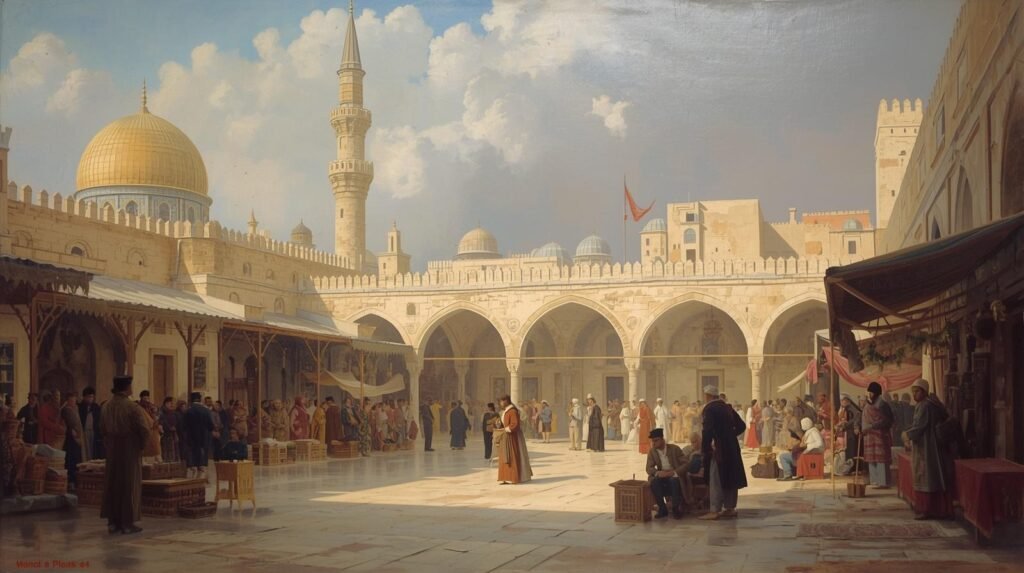
The term Al Aqsa Times carries strong emotional and political meaning for supporters of Palestine. The phrase connects directly to Al Aqsa Mosque in Jerusalem, one of the holiest places in Islam. Therefore, the name immediately represents Palestinian identity, history, faith, and resistance.
For millions of Muslims around the world, Al Aqsa Mosque symbolizes spiritual connection and historical importance. Consequently, any discussion involving Jerusalem and Al Aqsa often becomes deeply emotional.
At the same time, many Palestinians believe that protecting Jerusalem also means protecting Palestinian identity and culture. Therefore, news connected to Al Aqsa receives major global attention.
A Symbol of Palestinian Voices
Many supporters of Palestine believe global media sometimes ignores Palestinian experiences. Because of this concern, independent reporting platforms have become increasingly important.
In this context, Al Aqsa Times reflects the idea of giving Palestinians a stronger voice. Instead of focusing only on politics, such reporting often highlights humanitarian realities, refugee struggles, and civilian suffering.
Moreover, readers want stories about families, children, students, doctors, journalists, and aid workers who continue living under conflict conditions. Therefore, journalism connected to Palestine often becomes both political and humanitarian.
Understanding the Palestine Conflict
The Historical Background
The Palestinian struggle has deep historical roots. Before 1948, Palestinian Arabs lived across historic Palestine for generations. However, political tensions increased during the British Mandate period because of rising nationalist movements and colonial policies.
In 1948, the establishment of Israel led to war and the displacement of hundreds of thousands of Palestinians. Palestinians call this tragedy the Nakba, meaning “catastrophe.” Consequently, millions of Palestinians became refugees in Gaza, the West Bank, Jordan, Lebanon, and other countries.
Even today, refugee families continue preserving memories, land documents, and house keys from villages they lost decades ago. Therefore, the refugee issue remains one of the central parts of Palestinian political identity.
Occupation and Political Control
Another major issue involves Israeli control over Palestinian territories. Following the 1967 war, Israel occupied the West Bank, East Jerusalem, and Gaza.
Although Gaza later came under Palestinian administration, the territory remained heavily restricted through border controls, military operations, and economic blockades. Meanwhile, the West Bank continues facing military checkpoints and settlement expansion.
As a result, many Palestinians believe they live without full freedom, mobility, or political independence. Consequently, demands for statehood and equal rights continue growing.
The Importance of Jerusalem
Jerusalem remains one of the most sensitive issues in the conflict. Palestinians consider East Jerusalem the capital of a future Palestinian state. At the same time, Israel claims Jerusalem as its capital.
Because Jerusalem contains important religious sites for Muslims, Christians, and Jews, political tensions often become highly emotional. Therefore, events around Al Aqsa Mosque frequently influence regional stability.
For supporters of Palestine, defending Jerusalem also means defending Palestinian heritage and national identity.
The Humanitarian Crisis in Gaza
Civilian Suffering
The humanitarian situation in Gaza has shocked people worldwide. Families have lost homes, schools, hospitals, and loved ones during repeated military operations.
Children especially face severe trauma because they grow up surrounded by violence, fear, and destruction. Furthermore, many children have experienced displacement multiple times within a single year.
Consequently, humanitarian organizations continue warning about long term psychological damage affecting Palestinian youth.
Food and Water Shortages
The Gaza Strip has struggled with shortages of food, fuel, medicine, and clean water for years. During periods of war, these problems become even worse.
Many aid agencies report that families often wait hours for bread, drinking water, or emergency medical care. Moreover, damaged infrastructure makes humanitarian delivery extremely difficult.
As a result, ordinary civilians carry the heaviest burden of the conflict.
Destroyed Infrastructure
Large areas of Gaza have suffered widespread destruction. Residential buildings, schools, roads, electricity systems, and hospitals have all faced damage.
Therefore, rebuilding Gaza will require enormous international support and long term reconstruction efforts.
At the same time, rebuilding physical structures alone will not solve everything. Emotional healing and social recovery will also take years.
The Role of War Journalism
Why Independent Reporting Matters
War journalism shapes how the world understands conflicts. Consequently, balanced and honest reporting becomes extremely important.
Supporters of Palestine often argue that Palestinian voices deserve greater international attention. Therefore, platforms connected to Al Aqsa Times focus heavily on civilian experiences and humanitarian realities.
Moreover, journalists working in Gaza face enormous risks while reporting from conflict zones. Many continue documenting destruction despite dangerous conditions.
The Power of Digital Media
Social media has transformed how people follow the Palestine issue. Videos, photos, eyewitness reports, and independent investigations now spread globally within minutes.
As a result, younger generations have become more informed about Gaza and Palestinian rights than previous generations.
Furthermore, digital activism has increased pressure on governments, universities, and international organizations to address humanitarian concerns.
Challenges of Misinformation
Although social media spreads awareness quickly, misinformation also spreads rapidly. Therefore, readers must carefully verify sources before accepting claims.
Reliable reporting should focus on verified facts, humanitarian evidence, and credible journalism rather than propaganda.
Because of this challenge, trusted Palestine focused journalism continues growing in importance.
Recent Palestine War Developments
Escalation of Violence
Recent years have witnessed major escalation in violence across Gaza and the surrounding areas. Airstrikes, rocket attacks, military operations, and civilian casualties have dominated headlines worldwide.
Consequently, international concern about humanitarian conditions has increased dramatically.
Entire neighborhoods have faced destruction, while thousands of families have been displaced from their homes.
Ceasefire Negotiations
Several countries and international organizations have attempted to mediate ceasefires between both sides.
However, ceasefire agreements often remain fragile because political tensions and military actions continue.
Despite these difficulties, humanitarian groups consistently call for long term peace and civilian protection.
International Reactions
Governments worldwide remain divided regarding the conflict. Some countries strongly support Israel, while others strongly criticize military operations affecting civilians.
Meanwhile, public protests supporting Palestine have spread across major cities worldwide.
Students, activists, journalists, and humanitarian organizations continue demanding accountability and protection for Palestinian civilians.
Palestinian Resistance and Identity
The Strength of Palestinian Society
Despite decades of conflict, Palestinian identity remains strong. Families continue preserving traditions, language, culture, and historical memory.
Moreover, Palestinian resilience has become an important symbol for many people worldwide.
Even under difficult conditions, students continue studying, doctors continue treating patients, and journalists continue documenting reality.
Culture as Resistance
Palestinian culture itself represents a form of resistance. Traditional embroidery, music, food, poetry, and storytelling help preserve national identity.
Therefore, cultural expression remains deeply connected to Palestinian survival and unity.
At the same time, artists and writers continue using creative work to explain Palestinian experiences to international audiences.
Youth and Hope
Palestinian youth continue dreaming about freedom, education, and peaceful futures despite enormous challenges.
Many young Palestinians use technology, journalism, activism, and education to share their voices globally.
Consequently, international awareness about Palestine continues growing.
The Political Side of the Conflict
The Question of Statehood
One of the biggest political questions involves Palestinian statehood. Palestinians seek an independent state in Gaza, the West Bank, and East Jerusalem.
However, negotiations regarding borders, settlements, security, and refugees remain unresolved.
Because of these disagreements, peace talks frequently collapse before achieving long term progress.
Settlements and Land Issues
Israeli settlements in the West Bank remain one of the most controversial political topics.
Palestinians argue that settlement expansion reduces land available for a future Palestinian state. Consequently, settlement growth continues increasing political tensions.
At the same time, international criticism regarding settlement policies has also grown.
Internal Palestinian Politics
Palestinian politics also involves internal divisions. Different political groups control different territories and political institutions.
Because of this division, national unity remains difficult. Nevertheless, many Palestinians continue hoping for stronger political cooperation and democratic reform.
Global Support for Palestine
International Protests
In recent years, pro Palestine demonstrations have become increasingly visible across Europe, Asia, Africa, North America, and the Middle East.
Millions of people have joined marches demanding ceasefires and humanitarian protection.
Consequently, global awareness regarding Palestinian suffering has increased significantly.
University Student Movements
University campuses have become major centers of Palestine solidarity activism.
Students frequently organize awareness campaigns, educational events, and humanitarian fundraising activities.
Furthermore, student activism has helped bring Palestinian issues into mainstream political discussions.
Humanitarian Campaigns
Many charities and humanitarian organizations continue raising funds for Gaza.
Medical aid, emergency shelter, food support, and clean water projects remain urgently needed.
As a result, humanitarian solidarity continues playing an important role in helping Palestinian civilians.
Conclusion
Al Aqsa Times represents more than news coverage. It reflects the voices, struggles, hopes, and resilience of Palestinians living through one of the world’s longest political conflicts.
Across Gaza, the West Bank, refugee camps, and diaspora communities, Palestinians continue demanding dignity, freedom, justice, and peace. Meanwhile, global awareness about humanitarian suffering has increased dramatically because digital media now allows ordinary people to witness events directly.
About The Author
